





At a glance: Gardening for seniors may promote healthy aging by encouraging movement, time outdoors in sunlight, relaxation, and a satisfying sense of purpose. This gardening for the elderly guide focuses on senior-friendly ways to make gardening more fun, safer, and easier. We offer a range of gardening tools for the elderly, including adaptable garden design ideas, raised garden beds, garden kneelers, garden stools, lightweight hoses, and other helpful equipment for older adults.
Gardening for seniors can be a relaxing, rewarding, and adaptable way to stay active while enjoying the outdoors. Whether you’re growing flowers, herbs, vegetables, or a few potted plants on a patio, gardening offers gentle physical activity, fresh air, stress relief, and the satisfaction of caring for something over time. And while aging can bring changes in mobility, strength, balance, or endurance, the right garden design, raised garden beds for seniors, and easy-to-use gardening tools for elderly adults can help make this hobby more comfortable and accessible at almost any ability level.
Whether you’re new to gardening or looking for ways to continue enjoying it as you get older, there are plenty of ways to create a safe, comfortable, and rewarding gardening experience. From understanding the health benefits of gardening for seniors to choosing raised garden beds, ergonomic tools, and senior-friendly garden designs, this guide covers effective guidance for every stage of the journey. Use the links below to jump to the topics that interest you most.
In This Guide:
- Benefits of Gardening for Seniors
- Common Gardening Challenges for Older Adults
- Gardening Safety Tips for Seniors
- Senior-Friendly Garden Design Ideas
- Best Gardening Tools for Elderly Adults
- Gardening Can Look Different at Every Stage of Life
Benefits of Gardening for Seniors
Gardening isn’t just about growing beautiful flowers (that, of course, would make you happy!) or vegetables; it can be a great way to get outside, stay active, and spend time in nature. Gardening can provide physical, mental, and social benefits that support a healthy lifestyle.
Gardening Maintains Physical Health
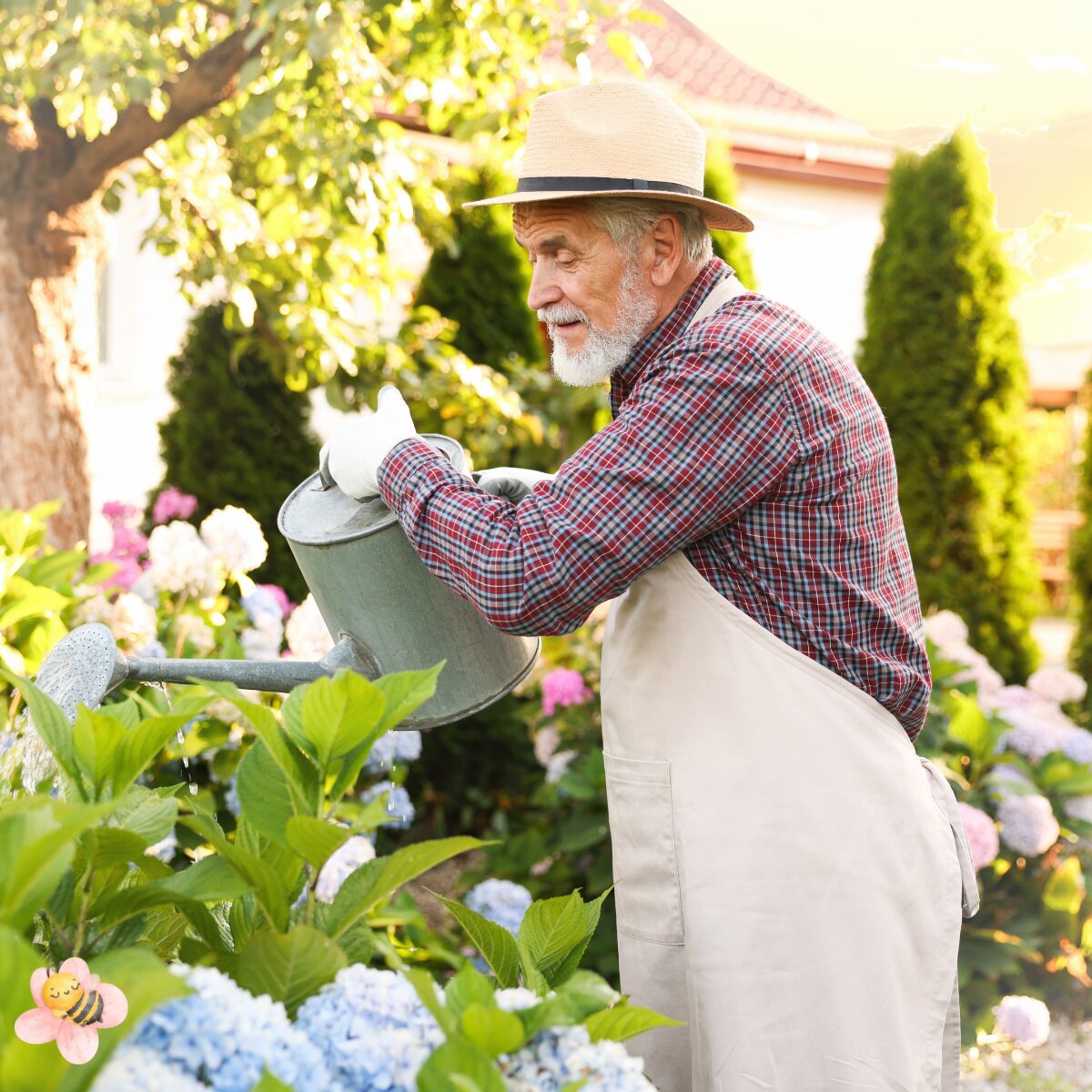
Many gardening tasks can help keep the body active without feeling like a formal workout. Planting your garden, watering it, pruning your flowers, and weeding involve stretching, reaching, and walking, which may help maintain flexibility and mobility over time.
Gardening can also engage muscles throughout the body. For older adults, carrying a watering can, digging in the soil, or using ergonomically designed gardening tools can help support strength and coordination while reducing joint strain. Even light activity performed regularly may help older adults stay more confident and comfortable with everyday movements.
For seniors who find bending and kneeling difficult, options such as raised garden beds, garden stools, and garden kneelers can make gardening more accessible while still allowing them to enjoy many of the same physical benefits.
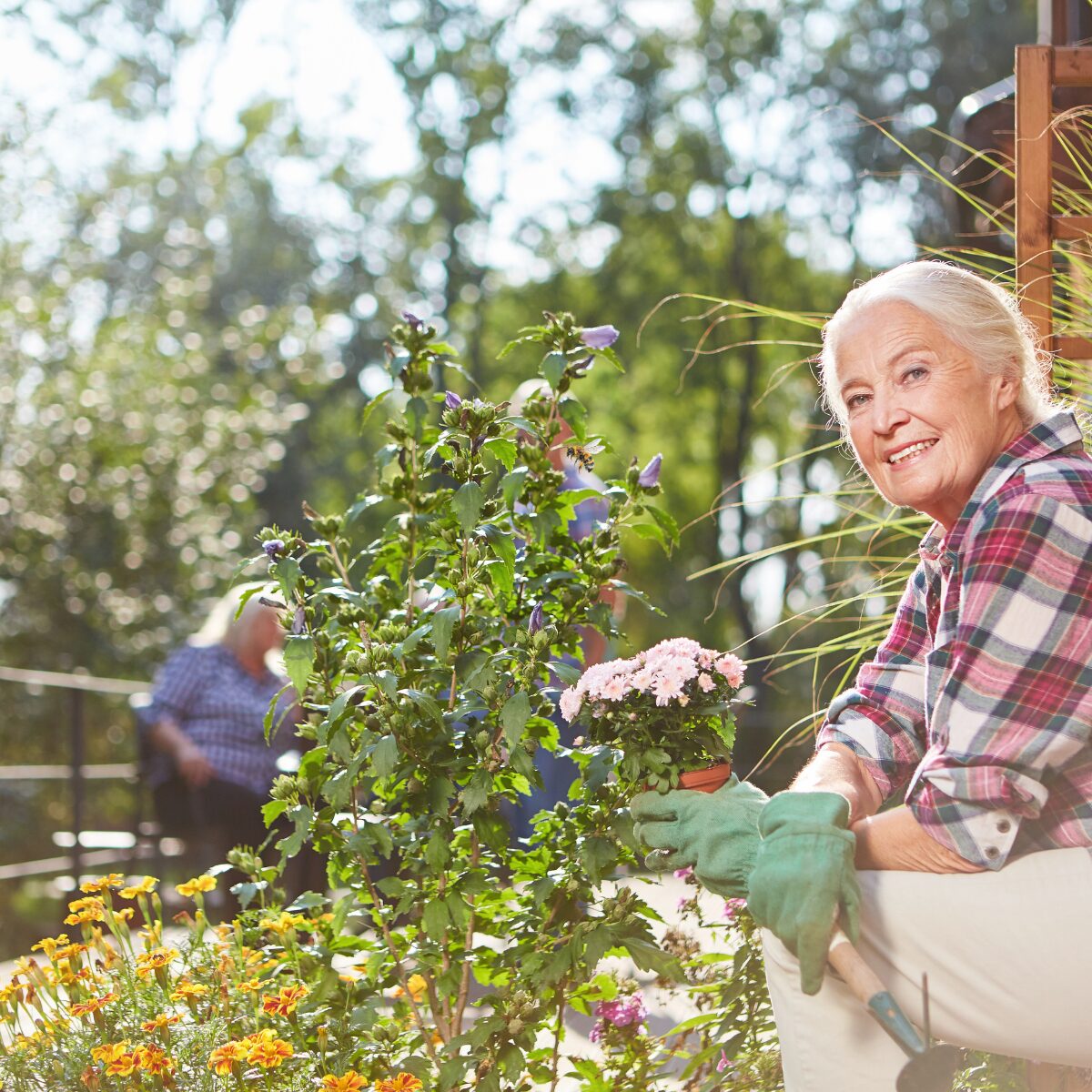
Research published in the National Library of Medicine suggests that gardening may be linked to other healthy lifestyle habits overall. This study analyzed health data from adults aged 65 and older and found that gardening was the second most reported kind of physical activity. Compared with older adults who didn’t report exercising, gardeners were more likely to eat the recommended amount of fruits and vegetables, had better cardiovascular health scores, and had a lower estimated 10-year all-cause mortality risk. While the study doesn’t prove that gardening directly caused these benefits, the findings suggest that gardening may be a meaningful way for older adults to stay active and support their overall health.
Gardening May Benefit Mental Well-Being
Spending time outdoors among plants and flowers can be a welcome break from daily stress. Many people find gardening calming because it encourages them to slow down, pay attention to the present moment, and enjoy the sights, sounds, and scents of nature.
Gardening gives people a sense of purpose and accomplishment. Watching seeds sprout, seeing your flowers bloom, or picking vegetables straight from the garden can be extremely satisfying.
Research from the Gerontology & Geriatric Medicine suggests these feelings may be more than anecdotal. In a study of 331 Australian gardeners aged 60 to 95, participants reported that gardening enhanced their self-esteem, fostered positive attitudes toward aging, encouraged regular physical activity, and promoted social engagement. The researchers also found that simply spending time in the garden—not just actively gardening—was associated with therapeutic benefits, highlighting the value of connecting with nature as we age.
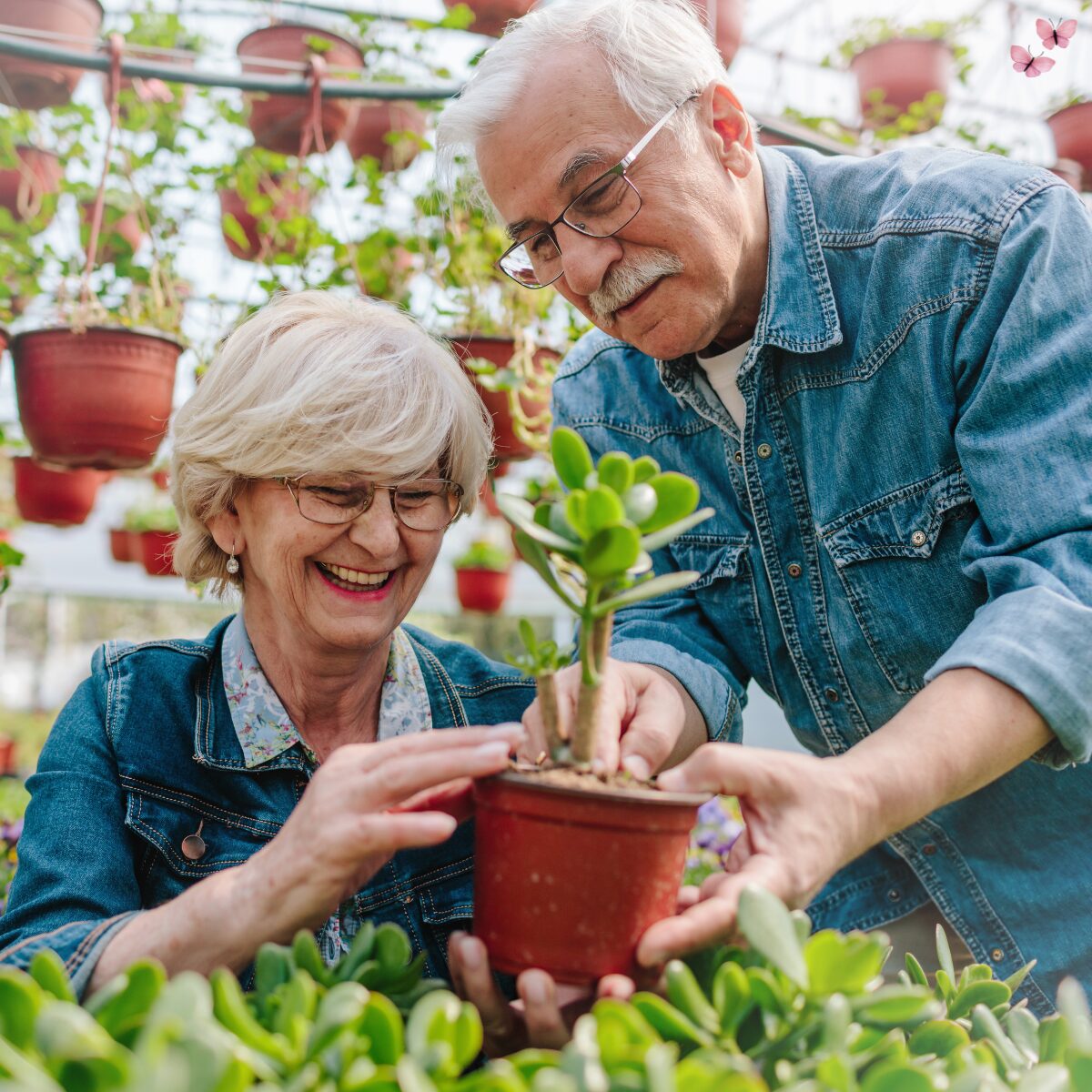
Caring for plants can also create a relaxing daily routine. Having a reason to step outside, check on a garden, or water a favorite plant can add structure and enjoyment to the day, while giving older adults something meaningful to look forward to throughout the growing season.
Common Gardening Challenges for Older Adults
Gardening is a hobby that people of all ages can enjoy, but the body naturally changes over time. Tasks that once felt effortless—like kneeling to pull weeds or carrying a heavy watering can—may become more difficult with age. The good news is that many of these challenges can be managed with a few simple adjustments, thoughtful garden design, and the right gardening tools for elderly adults. Understanding the most common obstacles is the first step toward creating a safer, more comfortable, and enjoyable gardening experience.
Arthritis and Joint Pain
Arthritis can make even many normal gardening tasks seem difficult. Painful joints may make it harder to grip hand tools, use pruners, or even pull weeds. Repetitive movements can also lead to hand fatigue, while kneeling on hard ground may place added pressure on sore knees and hips. Fortunately, ergonomic gardening tools, including padded garden kneelers and supportive garden stools for elderly gardeners, can help reduce strain and make everyday tasks easier.
Reduced Mobility
Many older adults find that bending, stretching, or reaching becomes more challenging over time. Working close to the ground can be uncomfortable, and walking back and forth across a large yard may become tiring. Raised garden beds for seniors, elevated planters, container gardens, and long-handled gardening equipment can bring plants within easier reach, allowing you to spend more time enjoying your garden and less time struggling with awkward positions.
Balance Concerns
Good balance is important when gardening, especially when working outdoors on uneven ground. Grass, loose gravel, tree roots, wet pathways, and slippery surfaces can all increase the risk of a fall. Carrying heavy watering cans, bags of soil, or large pots may also make it more difficult to stay steady. Keeping garden paths level and well maintained, wearing supportive footwear, and using lightweight gardening equipment whenever possible can help improve safety.
Reduced Strength and Stamina
Gardening can involve more lifting and strength than many people realize. Moving bags of soil, pushing a wheelbarrow, lifting planters, or dragging a heavy garden hose may become harder as you age, especially in the summer heat. Taking frequent breaks, breaking up bigger jobs, and choosing lightweight garden tools and other easy-to-handle gardening equipment can help conserve energy and reduce physical strain.
Vision Changes
Changes in eyesight can make gardening tasks more difficult. Reading small plant labels, spotting tiny weeds, identifying insects, or noticing signs of plant health may require extra effort or tools. Good lighting, large-print plant markers, brightly colored tools, and keeping the garden neat and organized can make these tasks easier while helping to prevent trips and falls.
Gardening Safety Tips for Seniors
Gardening should be enjoyable, not exhausting. Taking a few simple precautions can help reduce the risk of injury while allowing you to spend more time doing what you love. Listening to your body, planning gardening sessions carefully, knowing when to ask for help, and using the right tools can make a big difference. If you garden alone, it’s also a good idea to keep a cell phone within easy reach or wear a medical alert device so you can call for help if you experience a fall, dizziness, or another emergency.
Work Smarter, Not Harder
Breaking larger projects into short sessions can help prevent fatigue and reduce strain on your muscles and joints. Schedule regular breaks to rest, stretch, and drink water, especially during warm weather. Whenever possible, plan your gardening for the morning or early evening when temperatures are cooler and the sun is less intense, and don’t be afraid to ask for help for certain heavier tasks.
Protect Your Body
A little preparation goes a long way toward staying safe in the garden. Wear sturdy, supportive shoes with good traction to help reduce the risk of slips and falls on uneven ground. Gardening gloves can protect your hands from blisters, cuts, thorns, and dirt while making tools more comfortable to grip. Don’t forget to stay hydrated, wear a wide-brimmed hat, apply sunscreen, and consider lightweight, long-sleeved clothing for additional sun protection.
Focus on Lower-Maintenance Plants
Choosing plants that require less ongoing care can make gardening more enjoyable and less physically demanding. Perennials return year after year, reducing the need for replanting each season. Native plants are often well-suited to local growing conditions and may require less watering and maintenance. Drought-tolerant varieties can also help reduce the amount of time spent watering, especially during the hotter months of the year.
Start Small
You don’t need a large backyard to enjoy gardening. Starting with a few containers, some potted herbs, a patio garden, or a single raised garden bed for seniors allows you to learn what works best without becoming overwhelmed. Beginning with a smaller space also makes it easier to maintain your garden, build confidence, and gradually expand if you’d like to take on more in the future.
Senior-Friendly Garden Design Ideas
Carefully designing your garden can make all the difference as you get older. By planning a garden that’s comfortable, easy to navigate, and easy to maintain, you can spend less time worrying about physical challenges and more time enjoying your happy place.
Raised Garden Beds for Seniors
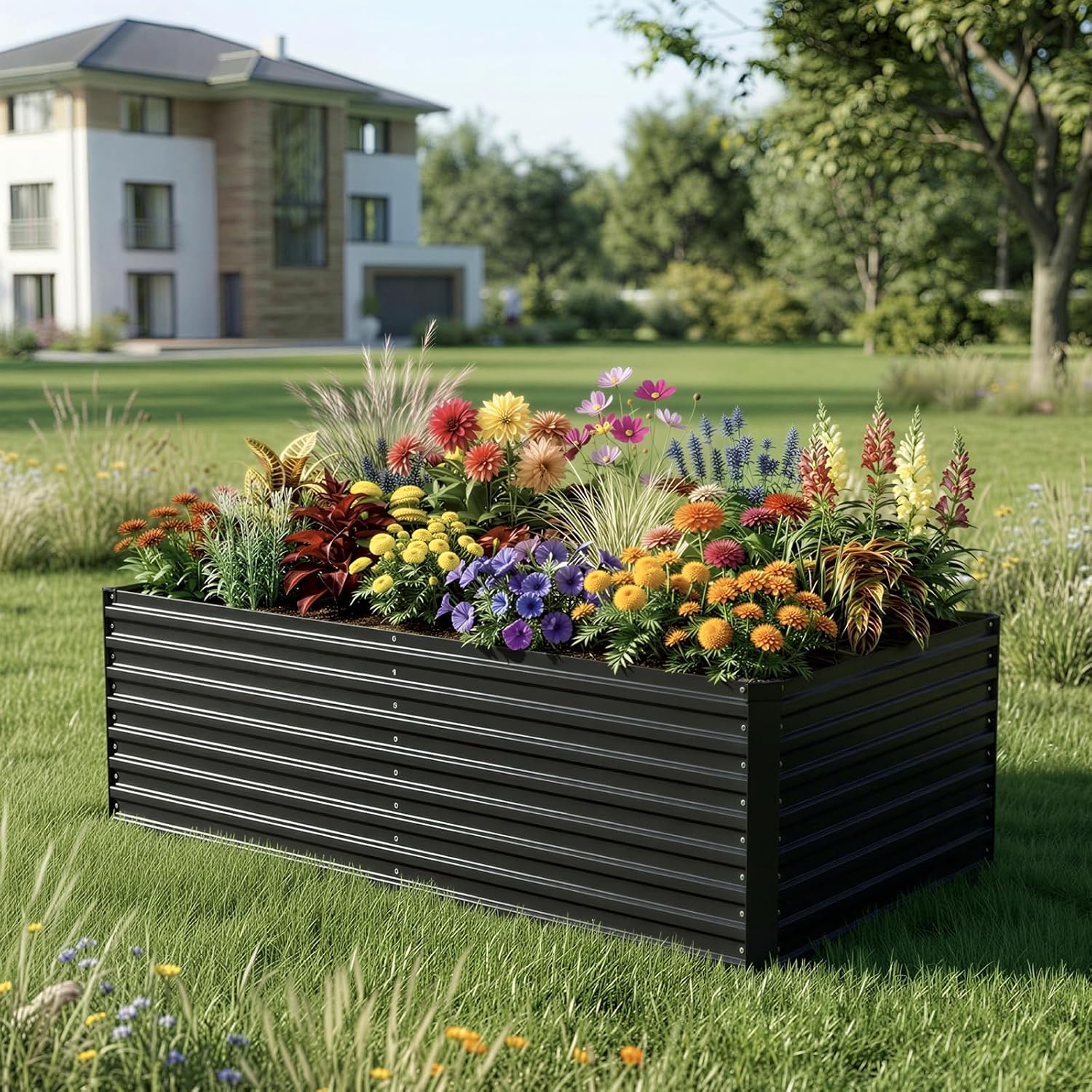
Raised garden beds are one of the best investments older gardeners can make. By bringing the soil higher off the ground, they reduce the need to bend, kneel, or squat for extended periods, making planting, watering, and harvesting much more comfortable.
Raised beds are also easier to access for people who use wheelchairs or walkers, and the sturdy sides can provide a convenient place to rest your hands or steady yourself if balance is a concern. An added benefit is greater control over the soil, allowing you to create healthier growing conditions for flowers, herbs, and vegetables.
Elevated Planter Boxes
If space is limited, elevated planter boxes are another excellent option. Because they’re raised to a comfortable working height, they allow many gardeners to care for plants while standing or sitting, reducing strain on the back and knees.
Elevated planters work especially well on patios, balconies, decks, and other small outdoor spaces, making them a great choice for seniors without a traditional backyard.
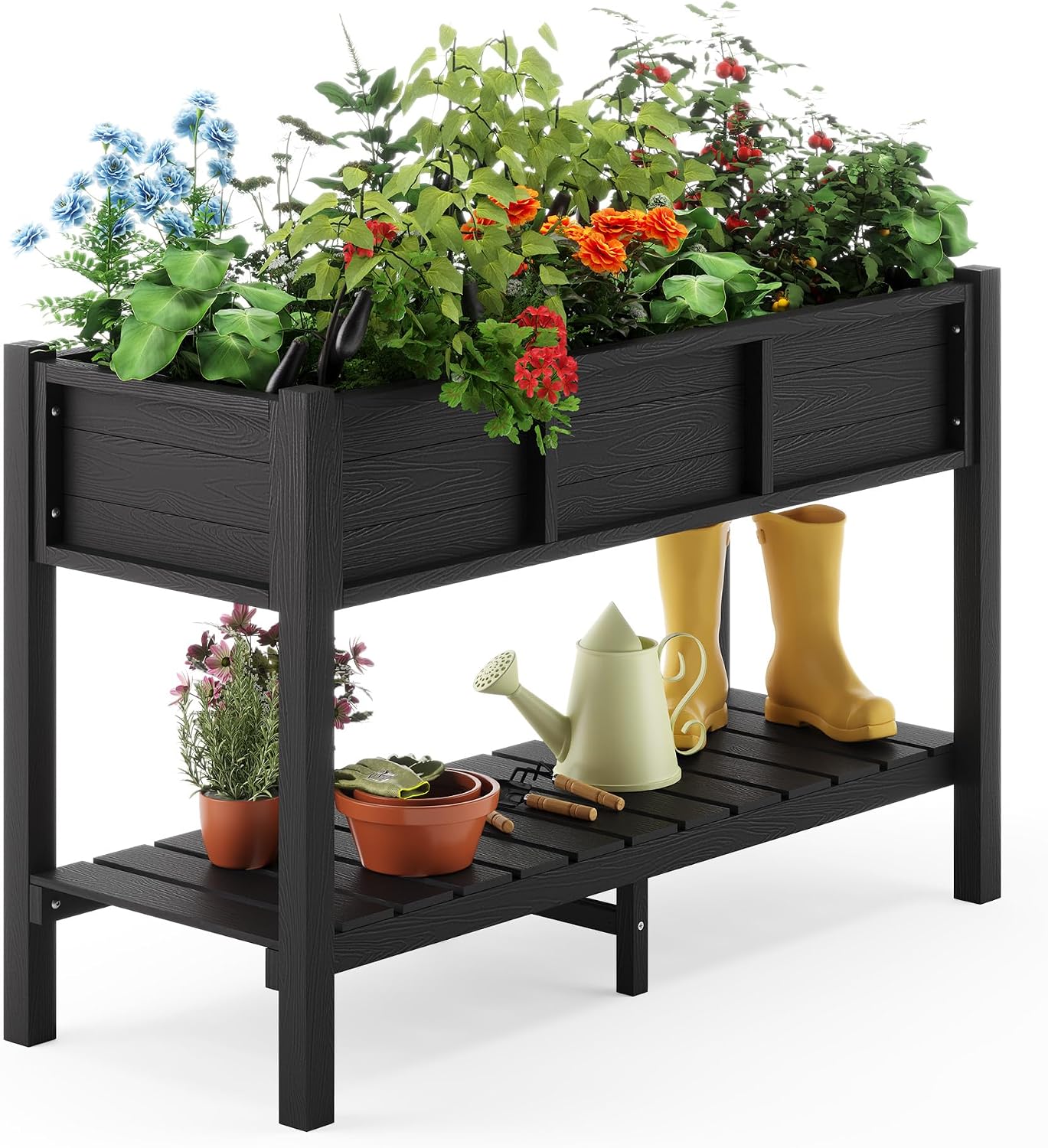
Container Gardening
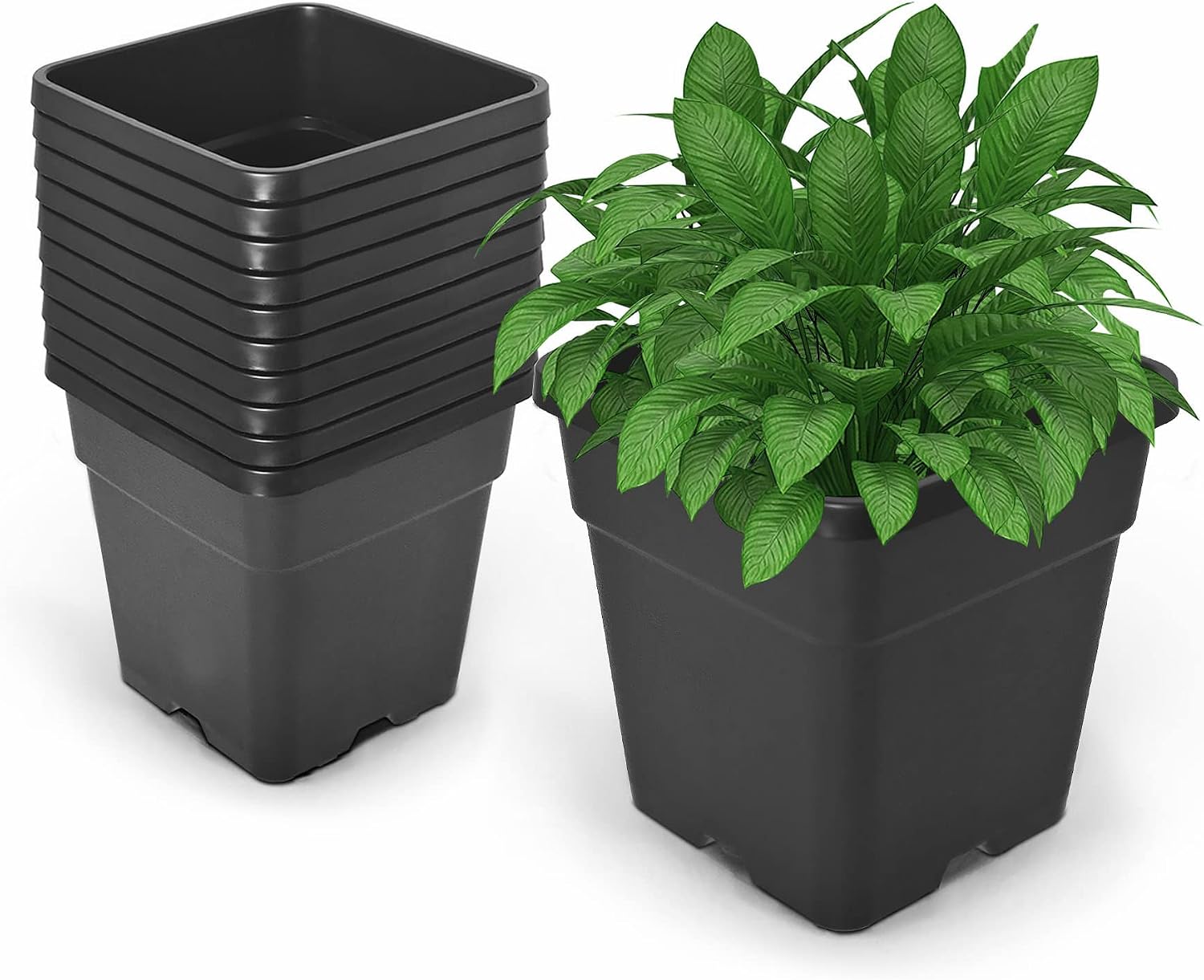
Container gardening is an easy and flexible way to enjoy gardening without having to maintain large flower beds. Pots and planters can be arranged wherever they’re easiest to reach, whether on a patio, porch, deck, or plant stand.
Containers are generally easier to manage than traditional garden beds and often require less weeding. They also make it simple to grow herbs, vegetables, flowers, or even small fruit plants in spaces of almost any size.
Wide, Smooth Pathways
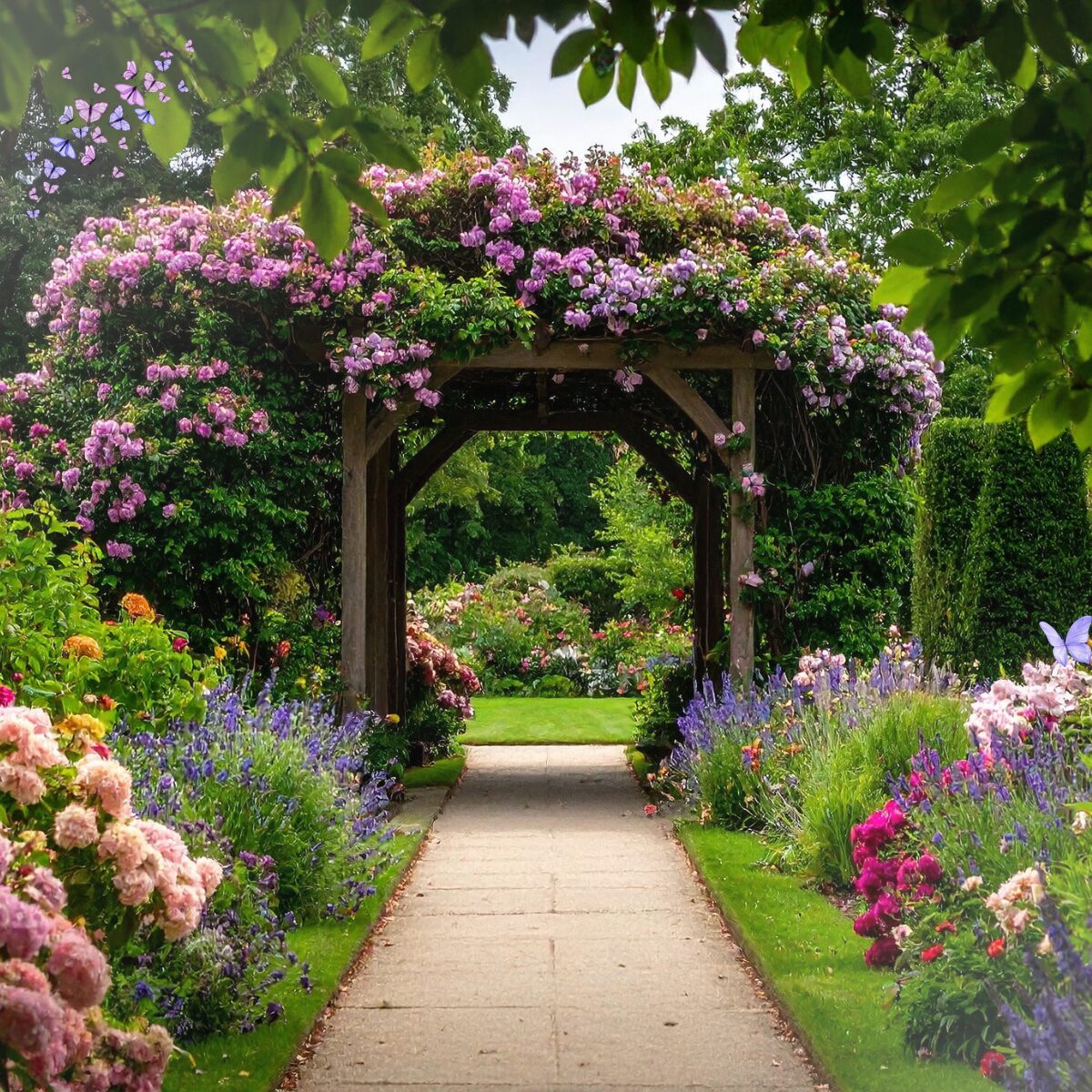
Safe pathways make it easier to move around the garden while reducing the risk of trips and falls. Whenever possible, choose level, non-slip materials and keep pathways free of hoses, garden tools, and other obstacles.
If you’re designing a new garden, pathways at least 36 inches wide can provide more comfortable access for walkers, wheelchair users, and garden carts. Adding low-voltage landscape lighting can also improve visibility when gardening early in the morning or later in the evening.
Add Comfortable Seating
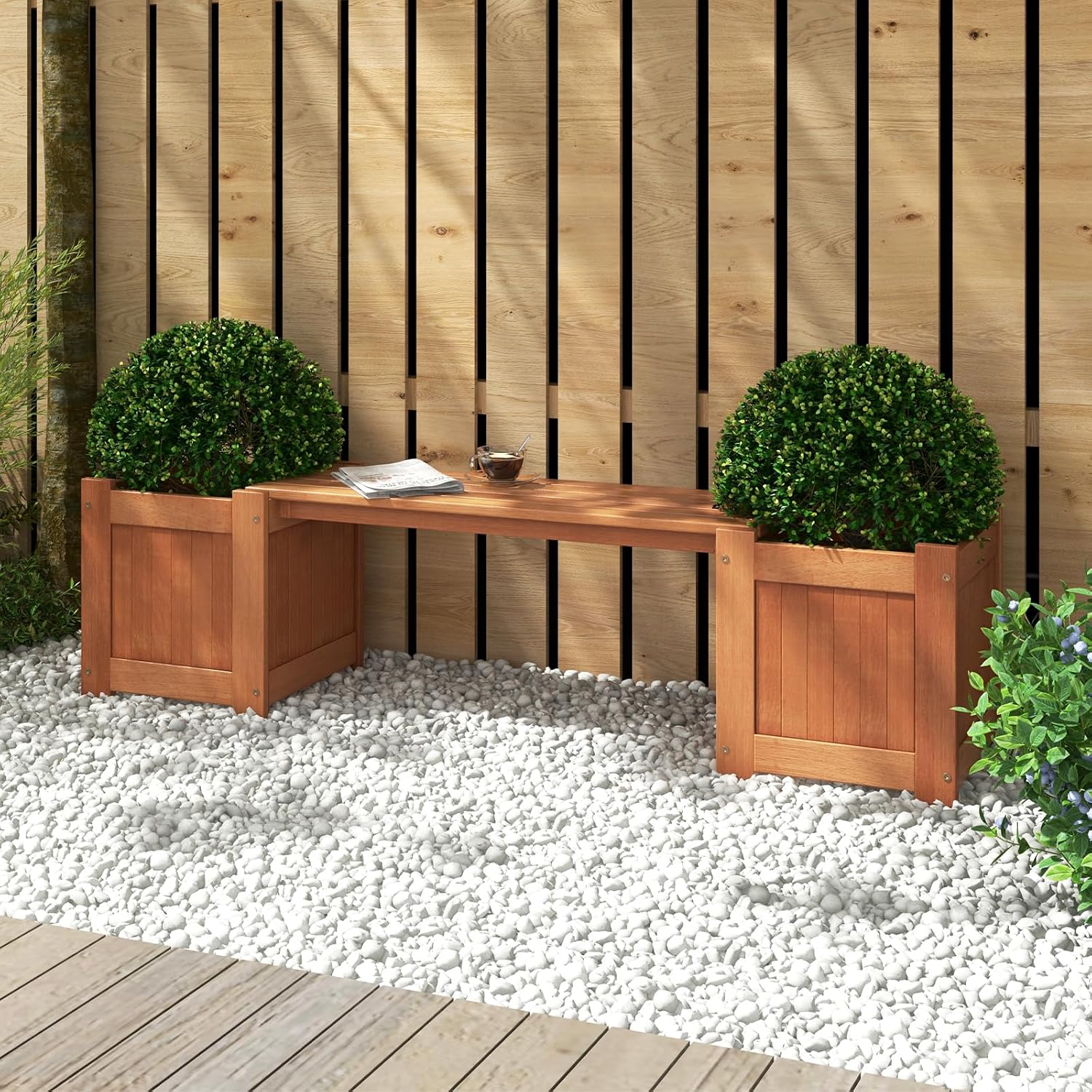
A comfortable place to sit encourages you to slow down and enjoy your garden instead of feeling like every visit has to involve work. A sturdy bench, shaded seating area, or even a small bistro set creates a welcoming place to rest, admire your plants, or simply enjoy the fresh air.
Placing seating throughout a larger garden also provides convenient resting spots, making it easier to take breaks whenever you need them.
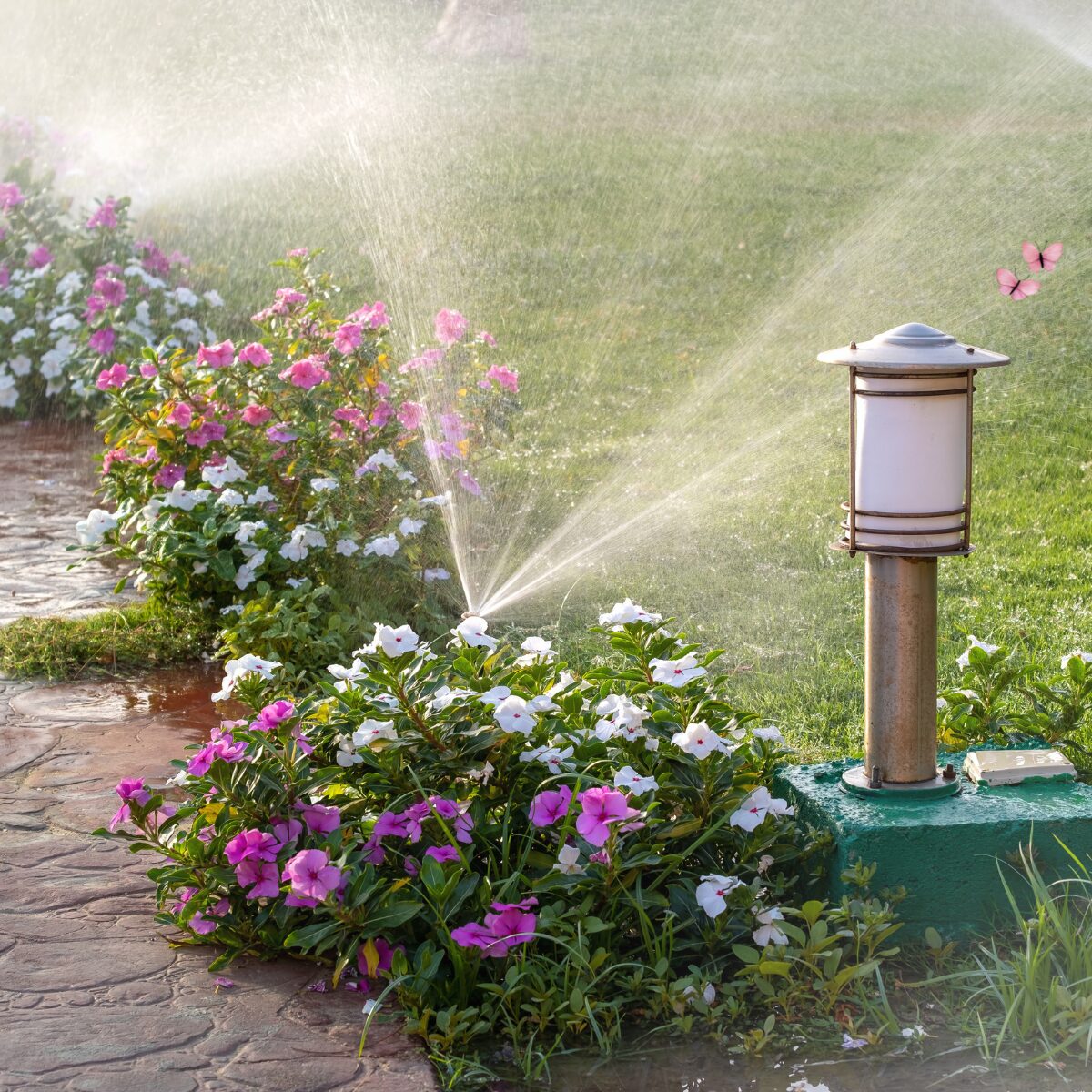
Install Easy-Watering Systems
Watering can be one of the most physically demanding parts of gardening, especially when lifting heavy watering cans or dragging long hoses around the yard. Installing a simple irrigation system can save both time and effort.
A Garden That Works for You
The best garden isn’t necessarily the biggest or the most elaborate—it’s the one that fits your lifestyle and your abilities. Simple design choices, such as raised beds, accessible pathways, elevated planters, and easy-to-use watering systems, can help you continue to enjoy gardening comfortably and safely as your needs change over time.
Once your garden is designed with accessibility in mind, the next step is choosing the right equipment. From ergonomic hand tools to lightweight hoses, garden kneelers, and supportive garden stools for elderly gardeners, the right tools can make everyday gardening even easier.
Best Gardening Tools for Elderly Adults
The right gardening equipment can make outdoor activities safer, more comfortable, and much more enjoyable. Many products are designed specifically to reduce bending, lifting, kneeling, and gripping, allowing older adults to spend more time enjoying their gardens with less physical strain. Whether you’re shopping for yourself or looking for a thoughtful gift for a loved one, these gardening tools for elderly gardeners can help make everyday tasks easier.
Shopping Tip: The best gardening tools aren’t necessarily the most expensive ones. Look for products that are lightweight, sturdy, easy to grip, and designed to improve comfort and safety while you work.
Garden Stool for Elderly Gardeners
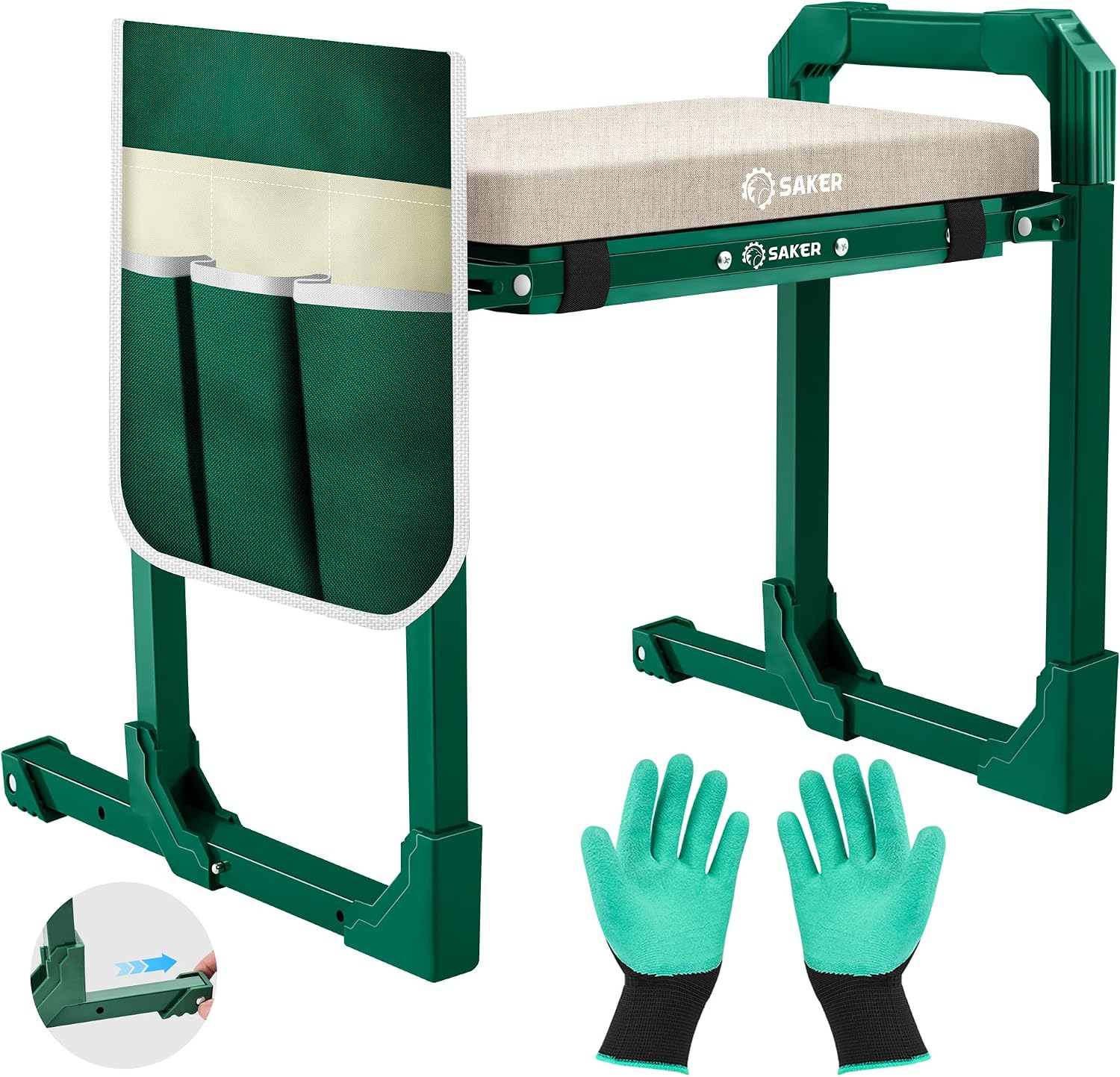
A garden stool or kneeler offers a comfortable place to sit while gardening and can help reduce pressure on the knees, hips, and lower back. There are even garden stools that have built-in storage compartments or removable tool bags, keeping your most-used gardening supplies within easy reach.
When choosing a garden stool for elderly gardeners, look for a lightweight design that’s easy to carry around the yard, a padded seat for added comfort, and non-slip feet for extra stability on a variety of outdoor surfaces.
This highly rated garden stool is designed to make gardening more comfortable by providing a sturdy seat and a supportive kneeler, depending on what you are doing. Thick padding helps cushion your knees, while the side handles provide extra leverage when standing up. It also folds flat for easy storage and transport, making it a practical choice for gardeners who want comfort without adding bulk.
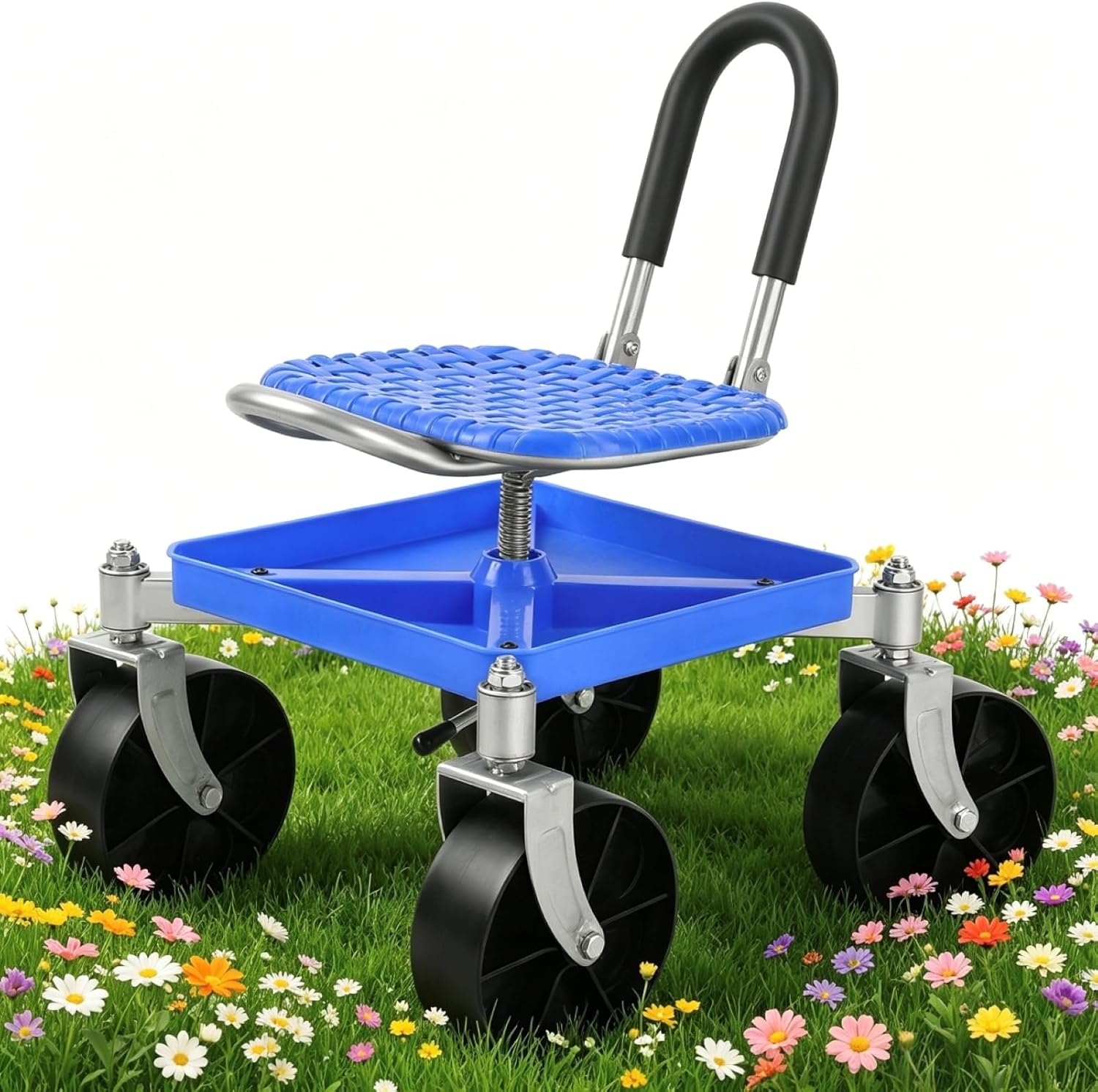
If you prefer to stay seated while gardening, this rolling garden stool makes it easier to move from one task to the next without repeatedly standing and sitting. The 360-degree swivel seat allows you to comfortably reach plants in every direction, while the adjustable height and built-in storage tray help keep both you and your gardening tools within easy reach.
Raised Garden Beds for Seniors
Raised garden beds remain one of the best investments for older gardeners. By lifting the growing area higher off the ground, they reduce the need to bend, kneel, or crouch while planting and harvesting. The sturdy sides can also serve as a helpful place to rest your hands or steady yourself when standing up, making them an excellent choice for seniors with arthritis, knee pain, or balance concerns.
This tall galvanized raised garden bed offers plenty of room for growing vegetables, herbs, flowers, and other deep-rooted plants while keeping them at a more comfortable working height. Its durable, rust-resistant metal construction is built to withstand the elements, and the open-bottom design helps promote healthy drainage and root growth. As an added bonus, it comes with several useful gardening accessories—including gloves, plant labels, and hand tools—so you have everything you need to get started.
This elevated raised garden bed brings plants to a comfortable working height, helping reduce bending and kneeling while making everyday gardening tasks easier. The built-in storage shelf keeps hand tools, gloves, and supplies organized and within easy reach, while multiple drainage holes help create healthy growing conditions for herbs, vegetables, and flowers. Made from durable, weather-resistant HDPS, it’s designed to provide years of low-maintenance gardening enjoyment.
Ergonomic Gardening Tools for Elderly Users
Traditional gardening tools can become uncomfortable after extended use, especially for people with arthritis or reduced hand strength. Ergonomic gardening tools are designed to make everyday tasks easier by reducing stress on the hands and wrists.
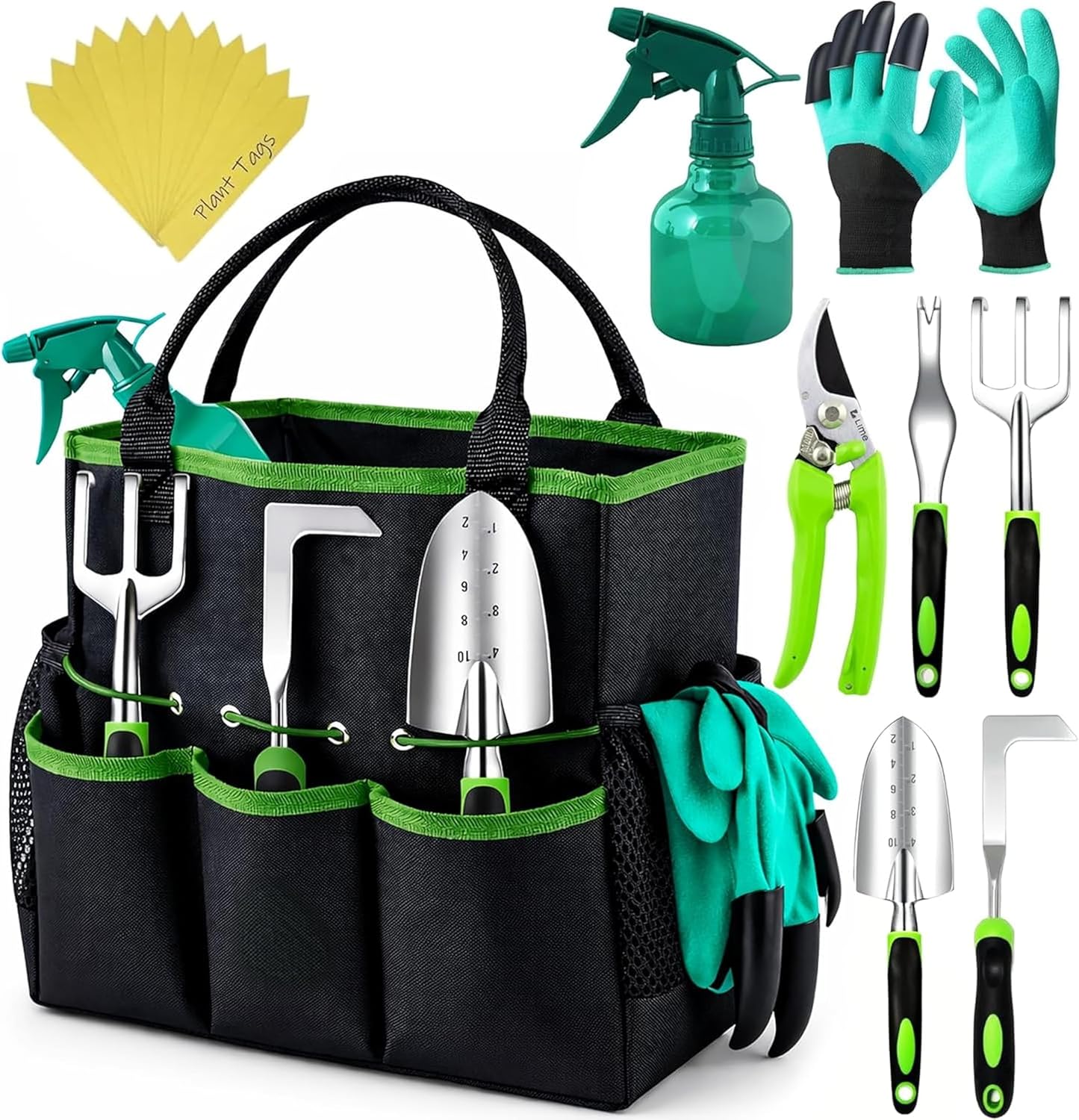
Look for soft, cushioned handles for a secure grip, lightweight materials for easier lifting, and designs that require less force to dig, prune, or cultivate the soil. A quality hand trowel, cultivator, and pair of pruning shears are excellent additions to almost any gardener’s toolkit.
If you’re looking to replace older, heavier gardening tools, this ergonomic garden tool set includes many of the essentials in one convenient package. The lightweight aluminum tools feature comfortable, easy-to-grip handles that can help reduce hand fatigue during longer gardening sessions, while the included tote bag keeps everything organized and easy to carry from one gardening project to the next.
Long-Handled Gardening Equipment
Constant bending can quickly become tiring, especially when pulling weeds or working close to the ground. Long-handled gardening equipment allows many tasks to be completed while standing, helping reduce strain on the back, hips, and knees.
Useful options include standing weed pullers, extended-reach pruning tools, long-handled cultivators, and bulb planters that eliminate the need to kneel for extended periods.
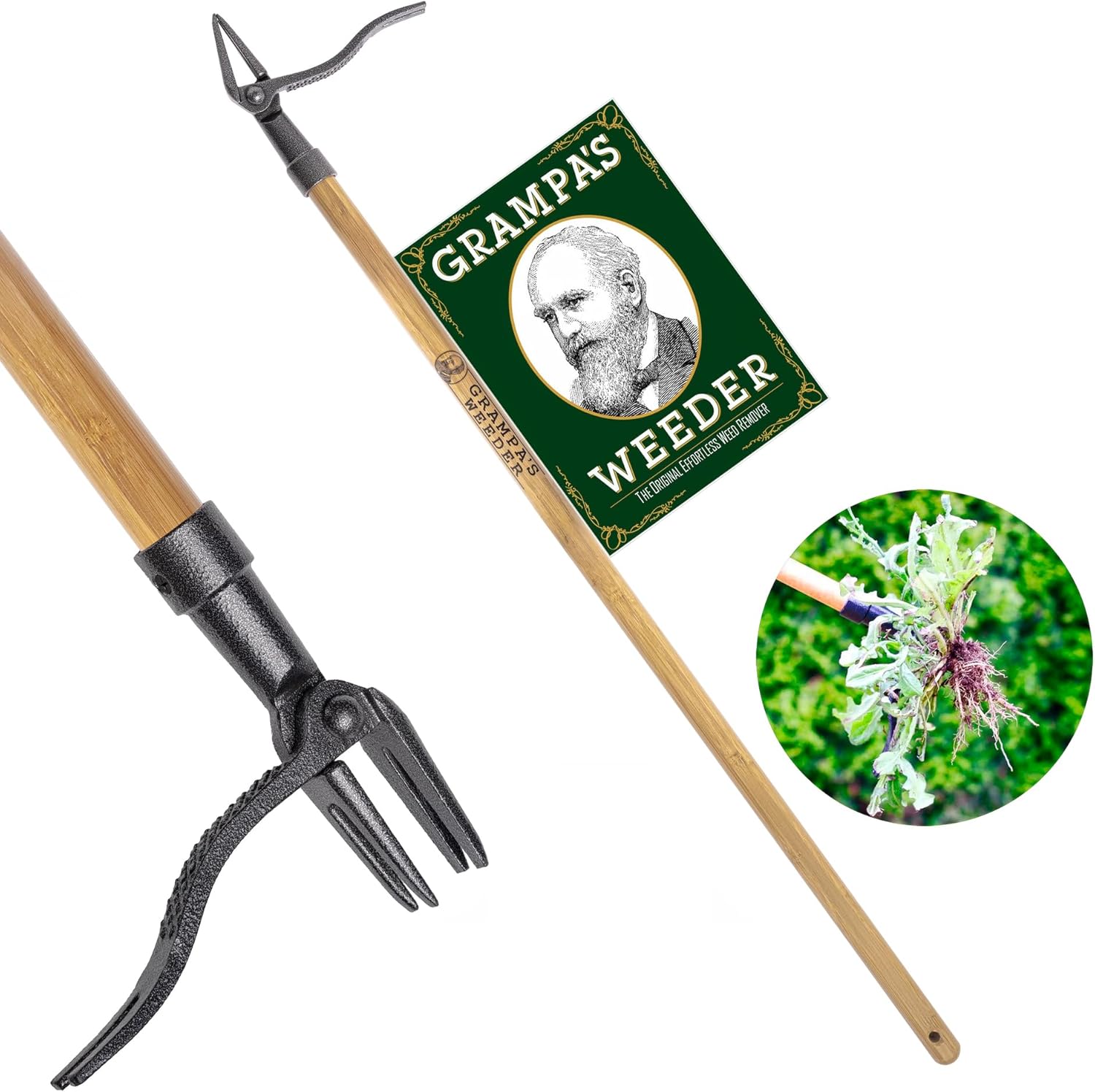
One of the simplest ways to make gardening easier is to eliminate unnecessary bending. This stand-up weed puller features a long handle and sturdy four-claw design that grips weeds at the root, allowing you to remove many common weeds while standing. It’s a great option for older gardeners who want to reduce strain on their back, hips, and knees while avoiding chemical weed killers.
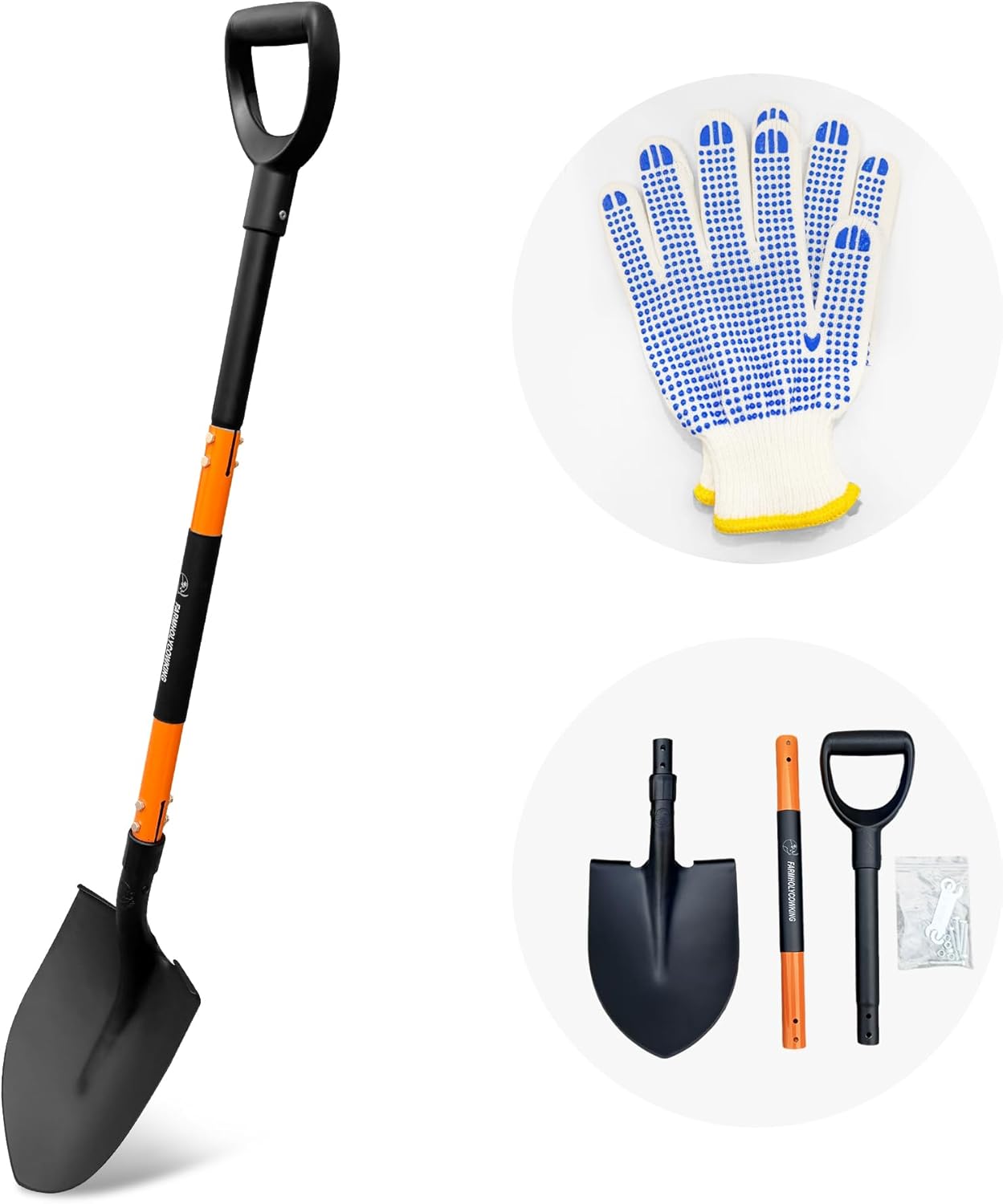
Whether you’re planting flowers, edging a garden bed, or preparing the soil for vegetables, a long-handled shovel can help reduce strain on your back and knees. This lightweight design features a comfortable D-grip handle for improved leverage and control, along with a durable steel blade that’s built for a variety of everyday gardening tasks.
Lightweight Garden Hose for Elderly Gardeners
Dragging a heavy rubber hose around the yard can be one of the most physically demanding gardening chores. A lightweight garden hose is easier to lift, carry, coil, and maneuver, helping reduce strain on the shoulders, wrists, and back.
When looking for a lightweight garden hose for elderly gardeners, look for light, flexible materials that resist kinking, durable fittings that connect easily, and a manageable length appropriate for your garden.
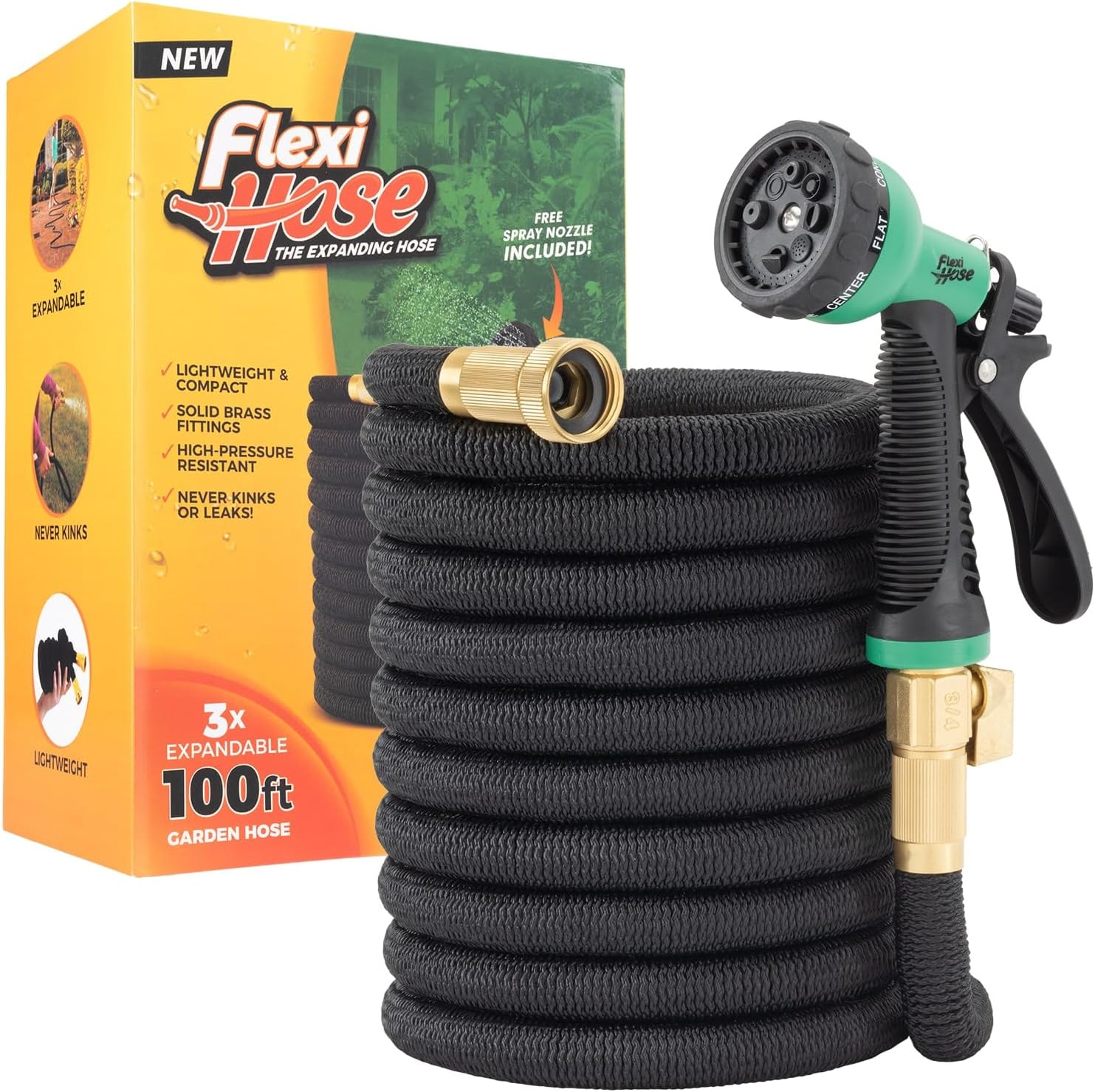
If you’ve ever struggled to drag a traditional rubber hose around the yard, an expandable garden hose can be a game-changer. This lightweight Flexi Hose expands to its full length when the water is turned on and contracts for compact storage when you’re finished. It’s flexible, easy to maneuver around flower beds and raised garden beds, and comes with an ergonomic spray nozzle featuring multiple watering patterns for everything from delicate flowers to larger garden areas.
Garden Carts and Wagons
A garden cart or wagon can quickly become one of the most valuable pieces of gardening equipment for older adults. Instead of carrying heavy bags of soil, mulch, potted plants, or harvested vegetables by hand, you can transport everything in a single trip while placing less stress on your back and joints.
Keep your eye out for garden carts or wagons that have sturdy, larger wheels, comfortable handles, and a stable frame that can travel over grass, gravel, or garden paths with minimal effort. There are even folding wagons that are easy to store if you’re tight on space.
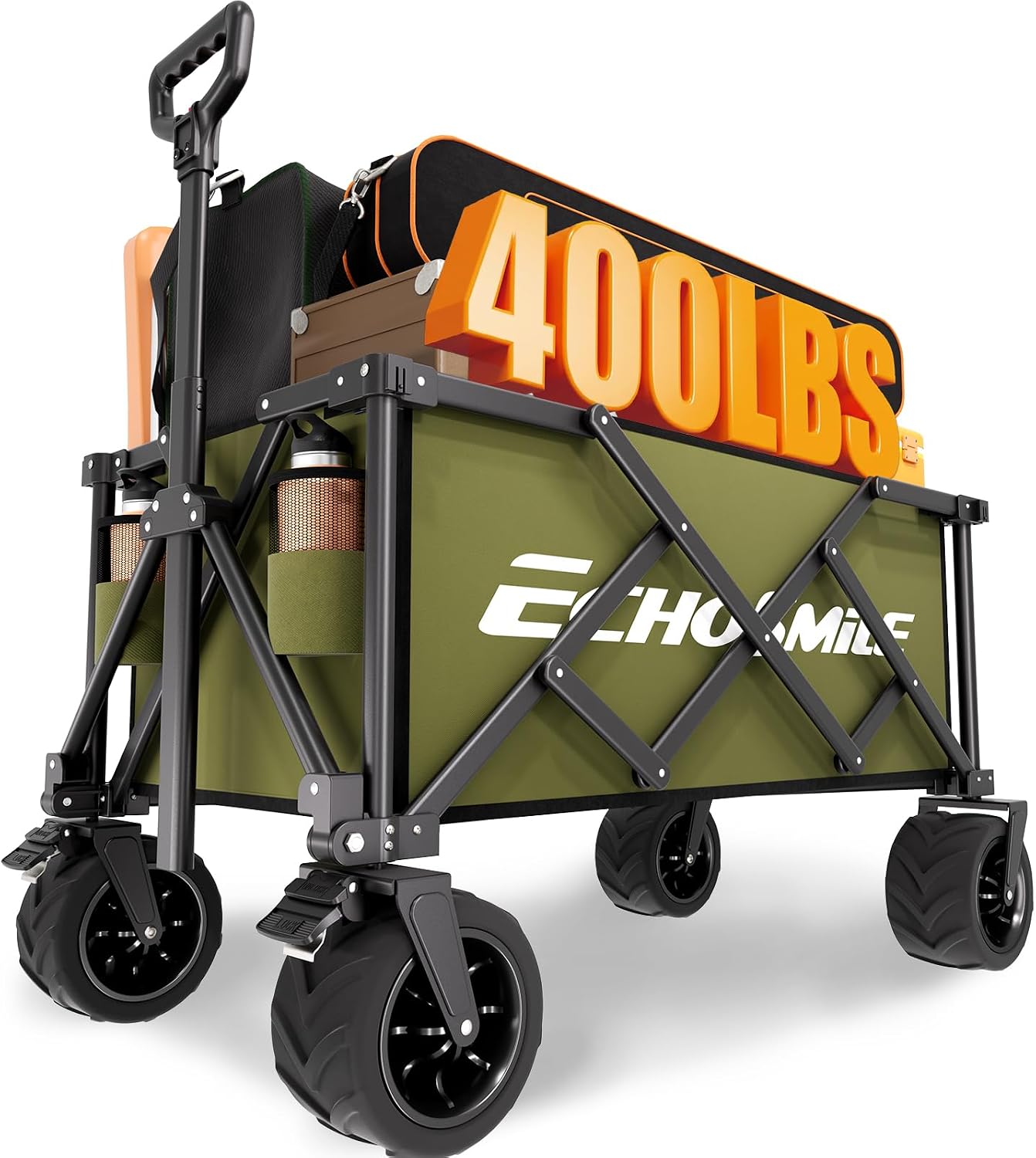
A folding garden wagon can save countless trips around the yard while reducing the need to carry heavy or awkward loads by hand. This all-terrain wagon is designed to transport everything from bags of soil and mulch to potted plants, gardening tools, and harvested vegetables with ease. The large wheels roll smoothly over grass, gravel, and uneven ground, while the adjustable handle provides a comfortable grip for gardeners of different heights. When you’re finished, it folds flat in seconds for convenient storage in a garage, shed, or vehicle.
Sun Protection for Senior Gardeners
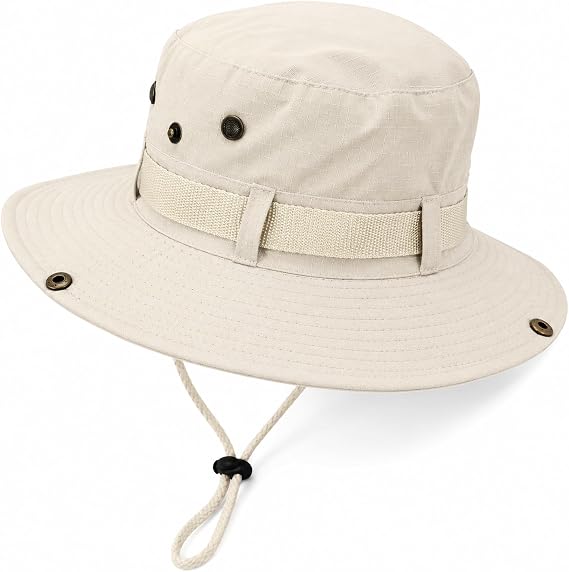
A little sun protection can go a long way toward making gardening safer and more comfortable. Before heading outside, protect your skin with a broad-spectrum sunscreen, and consider wearing lightweight UPF clothing and a wide-brimmed sun hat to help shield yourself from harmful UV rays. These simple additions can help you spend more time enjoying your garden while reducing your risk of sunburn and heat-related illness.
A wide-brimmed sun hat is one of the easiest ways to protect yourself while spending time in the garden. This lightweight, breathable hat helps shade your face, ears, and neck from the sun’s rays, while mesh ventilation panels promote airflow to keep you cooler on warm days. An adjustable chin strap helps keep the hat securely in place on breezy afternoons, and the foldable design makes it easy to pack away when you’re finished gardening.
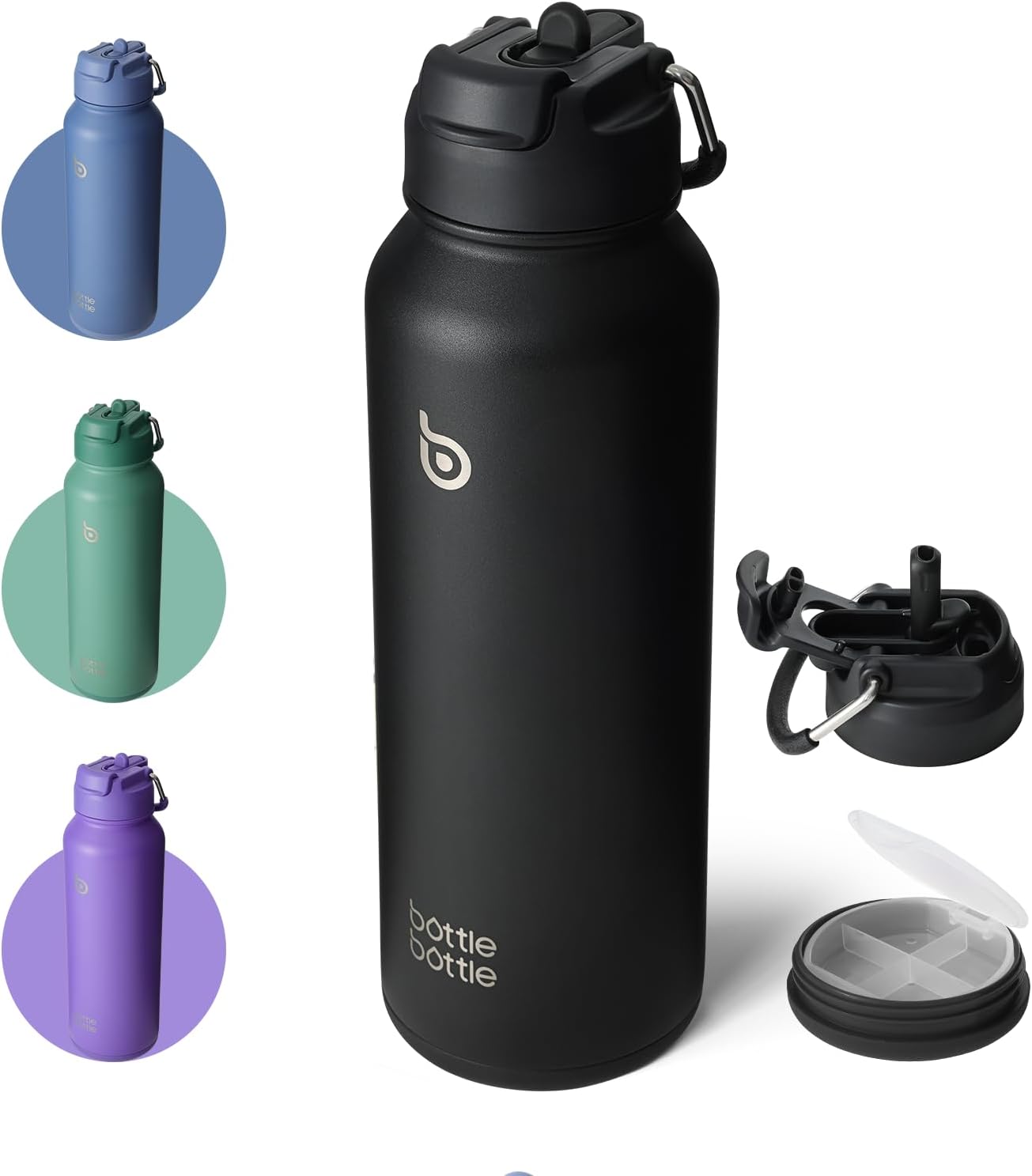
Staying hydrated is essential when gardening, especially on warm or sunny days. This insulated stainless steel water bottle helps keep drinks cold for hours and features both a straw and pour spout for easy sipping while you work. A unique built-in storage compartment in the base is perfect for carrying vitamins, medications, or other small essentials, while the sturdy handle makes it easy to bring along wherever your gardening projects take you.
Choose the Tools That Fit Your Needs
There’s no single set of gardening tools that’s perfect for everyone. The best choice depends on your garden, your physical abilities, and the tasks you enjoy most. Start with one or two items that solve your biggest challenges—whether that’s a supportive garden stool, a lightweight garden hose, ergonomic hand tools, or a raised garden bed—and build your collection over time. Small changes can make gardening more comfortable, allowing you to continue enjoying this rewarding hobby for many years.
Gardening Can Look Different at Every Stage of Life
As our needs change, the way we garden may change too—and that’s perfectly okay. If bending, lifting, or spending long periods outdoors has become difficult, it doesn’t mean you have to give up a hobby you love. There are many ways to continue enjoying the beauty, relaxation, and sense of accomplishment that gardening brings, regardless of your mobility or physical abilities.
Bring the Garden Indoors
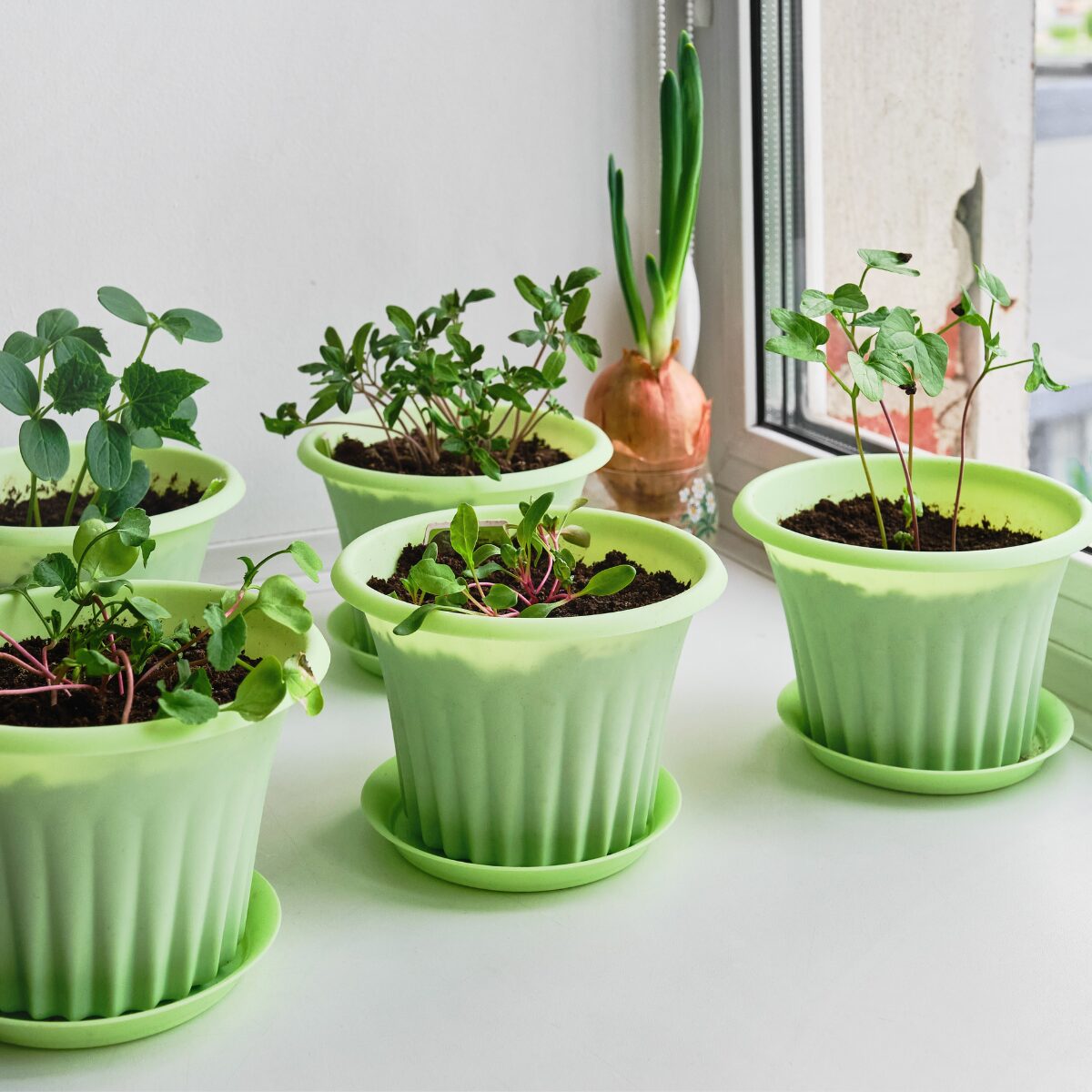
Indoor gardening for seniors can be just as rewarding as working outside. Herbs like basil, parsley, chives, and mint grow well on a sunny windowsill, while many houseplants require very little maintenance. Small tabletop planters also make it easy to care for flowers or succulents from a comfortable chair or kitchen table.
Join a Community Gardening Program
These shared spaces often provide opportunities to grow plants, meet new people, exchange gardening tips, and enjoy the outdoors without taking on the responsibility of maintaining an entire property.
Look for Local Gardening Services for Seniors
Many communities offer volunteer programs or senior support services that can help with light yard work and basic garden maintenance. Local senior centers, community organizations, faith-based groups, and independent living agencies may connect older adults with volunteers to assist with gardening needs. These services can make it easier to continue enjoying your garden while remaining safely independent at home.
Remember, Every Garden Counts
You don’t need a large vegetable garden or perfectly landscaped yard to experience the joys of gardening. Whether you’re caring for a single potted flower, growing fresh herbs on a windowsill, visiting a community garden, or simply spending time surrounded by nature, you can still enjoy many of the physical, mental, and emotional benefits that gardening has to offer. The most important thing is finding an approach that fits your abilities and lifestyle and brings you happiness.
Happy Gardening!